
Quick Summary
Choosing between a nurse and a caregiver depends on whether your loved one needs medical care or non-medical daily support.
– Caregivers assist with bathing, meals, mobility, errands, and companionship.
– Nurses (RN or LPN) provide licensed medical services such as injections, wound care, medication administration, and health assessments.
If even one medical task is required, a licensed nurse is legally and medically necessary. Many families benefit from a blended approach, combining a caregiver for daily needs with a nurse for skilled medical care.
Nurse vs. Caregiver: Choosing the Right Support in January
When a loved one needs help at home, one of the most important decision .Understanding the difference protects your loved one’s safety, ensures legal compliance, and helps you control care costs.
Think of it like home maintenance: you might rely on a trusted helper for everyday upkeep, but when the wiring fails, you call a licensed electrician. In home care, caregivers provide essential daily support, while nurses deliver skilled medical care that requires professional training and a state license.

____________________________________________________________________________________________________________________________________________________________________________________
What Does a Caregiver Do?
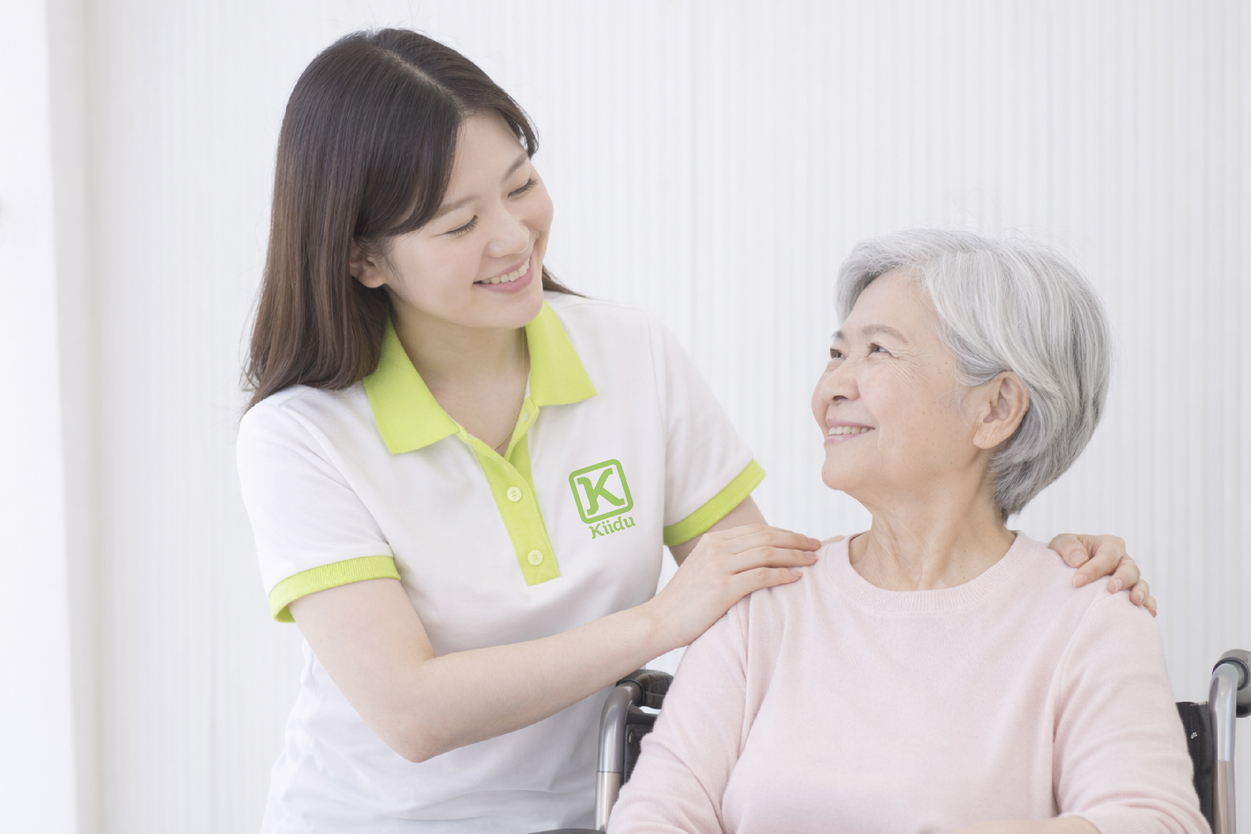
A caregiver provides non-medical, hands-on assistance that allows individuals to live safely and comfortably at home. Their role focuses on daily function, independence, and emotional well-being.
Activities of Daily Living (ADLs)
These are basic self-care tasks, including:
– Bathing and grooming
– Dressing
– Toileting assistance
– Transferring and mobility support
Instrumental Activities of Daily Living (IADLs)
____________________________________________________________________________________________________________________________________________________________________________________
These support independent living:
– Meal preparation
– Light housekeeping
– Grocery shopping and errands
– Transportation to appointments
Companionship and Emotional Support
Caregivers also reduce loneliness and isolation, which are linked to increased health risks in older adults.
Important limitation: Caregivers do not perform medical tasks. When healthcare needs arise, a licensed nurse is required.
____________________________________________________________________________________________________________________________________________________________________________________
When Do You Need a Nurse?
A nurse is necessary when care involves medical judgment or clinical procedures. These tasks are legally restricted to licensed professionals due to the risks involved.
Skilled Nursing Tasks Include:
– Administering injections (such as insulin)
– IV therapy and medication infusions
– Sterile wound and post-surgical dressing changes
– Catheter or feeding tube management
– Health assessments and care plan creation
A nurse can also perform all caregiver duties if needed, but caregivers cannot perform nursing tasks.
____________________________________________________________________________________________________________________________________________________________________________________
Can a Caregiver Give Medication?
This is one of the most misunderstood areas of home care.
– Caregivers may:
– Provide reminders
– Open pre-filled pill organizers
– Observe medication intake
– Caregivers may NOT:
– Choose medications from bottles
– Measure or calculate doses
– Administer injections or IV medications
Only a licensed nurse can legally administer medication. This protects patients from dosage errors, drug interactions, and dangerous side effects.
____________________________________________________________________________________________________________________________________________________________________________________
RN vs. LPN in Home Care: What’s the Difference?
Both Registered Nurses (RNs) and Licensed Practical Nurses (LPNs) provide skilled care, but their roles differ.
Registered Nurse (RN)
– Performs full health assessments
– Creates and oversees care plans
– Manages complex medical conditions
– Supervises LPNs and caregivers
Licensed Practical Nurse (LPN)
– Provides hands-on skilled care
– Administers medications and injections
– Performs wound care and monitoring
– Works under RN or physician direction
For ongoing daily medical tasks, an LPN is often a more affordable and effective solution, while RNs are essential for evaluations and complex care planning.
____________________________________________________________________________________________________________________________________________________________________________________
3-Step Checklist to Choose the Right Care
Use this simple framework to decide confidently:
1. List Every Needed Task
From morning routines to nighttime needs.
2. Sort Into Two Columns
– Non-Medical Support: bathing, meals, companionship
– Medical Tasks: injections, wound care, medication management
3. Match the Professional
– Only non-medical tasks → Caregiver
– Any medical task → Nurse
– Both → Blended care approach
This checklist turns uncertainty into a clear, actionable care plan.
____________________________________________________________________________________________________________________________________________________________________________________
Choosing with Confidence
Understanding the difference between a caregiver and a nurse empowers you to make the safest, most cost-effective choice. Before contacting a home care provider, take 15 minutes to list all required tasks. That list becomes your roadmap to the right support today and as needs evolve.
Authorship
Written by: Kiidu Care Team
Senior Home Care Specialists Kiidu helps families in connect with trusted caregivers and licensed nurses for safe, compliant in-home care. Whether you need daily assistance or skilled medical support, our care matching process ensures the right professional for your situation.