
Child Nutrition for Nannies A Practical Guide for Parents
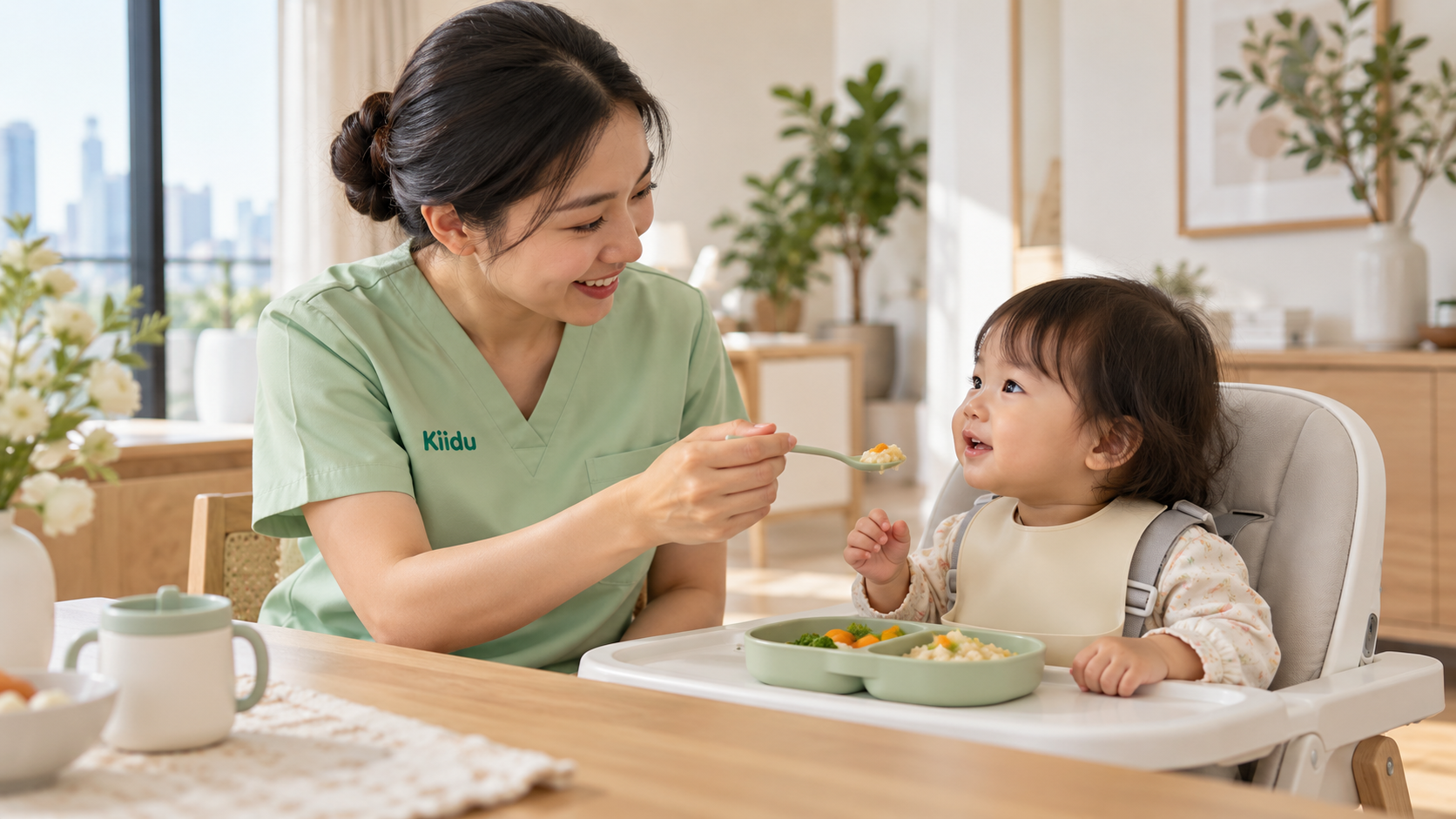
A nanny who prepares or serves food needs clear instructions about the child’s feeding plan, safe food preparation, suitable textures, allergies, and emergency procedures. This guide explains the practical responsibilities of a nanny while keeping dietary and medical decisions with parents and qualified health professionals.
Quick Answer
A nanny should follow the family’s written feeding plan, prepare food in textures that match the child’s development, practise safe food handling, supervise every meal, and understand the child’s allergy and emergency plan. Parents and health professionals make dietary and medical decisions. The nanny serves approved food, observes the child, records useful information, and reports concerns promptly.
Key Takeaways
- Follow the parents’ written instructions and any plan provided by the child’s doctor or dietitian.
- Match food texture, size, and preparation to the child’s development rather than relying on age alone.
- Keep children seated upright and supervise them throughout every meal and snack.
- Check ingredient labels and prevent contact with any known allergen.
- Record what was offered, what the child ate, and any reaction or change in appetite.
- Call emergency services when a child has severe breathing difficulty, becomes unresponsive, or shows signs of a serious allergic reaction.
What a Nanny Should Know About Child Nutrition
Child nutrition for nannies is mainly about safe and consistent care. A nanny does not need to design a medical diet or diagnose a feeding problem. The role is to carry out the plan agreed with the parents, prepare approved meals, support a calm routine, and report what happens during the day.
Responsibilities During Meals
Before serving food, confirm the meal, portion guidance, texture, and timing. During the meal, keep the child in a stable upright position and stay close enough to respond immediately. Afterward, record useful details in neutral language. For example, write that the child ate several spoonfuls or refused after tasting instead of describing the child as difficult.
Why Parent Instructions Come First
Children may have allergies, cultural food practices, medical needs, or a feeding plan that differs from general advice. The parents’ written plan should identify approved foods, restricted foods, suitable drinks, portion guidance, emergency contacts, and any instructions from a doctor or dietitian. Ask before introducing a new food, supplement, formula, or feeding method.
Limits of the Nanny Role
A nanny should not diagnose an allergy, feeding disorder, nutritional deficiency, or digestive condition. A nanny should also not start an elimination diet, change a prescribed plan, or give a supplement without clear permission. Observations should be documented and shared with the parents so they can decide whether professional advice is needed.

Child Nutrition for Nannies by Age
Feeding skills develop at different rates. Age can guide preparation, but the child’s development and the family’s plan remain more important. The World Health Organization states that complementary foods generally begin around six months and that food consistency and variety should increase gradually as the child grows.
| Stage | General approach | Nanny action |
|---|---|---|
| Before about 6 months | Breast milk or infant formula is usually the main food | Follow the family’s feeding and storage instructions exactly |
| From about 6 months | Complementary foods may begin when the family confirms readiness | Use the approved texture and supervise every bite |
| Toddlers | Soft foods and manageable pieces support developing eating skills | Prepare safe shapes and keep meals calm |
| Preschool and school age | A wider range of family foods may be suitable | Serve balanced choices and respect hunger and fullness cues |
What Infants Need When Starting Complementary Foods
Complementary feeding should begin only after the parents confirm that the child is ready and that the plan fits advice from their health professional. Smooth, mashed, lumpy, or soft finger foods may be used depending on the child’s skills and the chosen feeding method. There is no single texture that suits every infant. Increase texture gradually and prepare food so it is easy to manage safely.
Breast milk or infant formula remains important during this stage. Do not replace feeds, offer water, add salt or sugar, or introduce honey without following the family’s age specific plan. The United States Centers for Disease Control and Prevention advises that honey must not be given before twelve months because of the risk of infant botulism.
Safe Textures for Toddlers
Toddlers can usually manage more textures, but hard, round, sticky, or difficult to chew foods still require care. Cook firm vegetables until soft. Cut food into shapes that reduce choking risk. Remove bones, seeds, pits, tough skin, and large pieces of fat. The nanny should confirm how the parents want unfamiliar foods prepared before serving them.
Balanced Meals for Older Children
Preschool and school age children can often eat the same basic meal as the family when the ingredients and preparation are suitable. A practical meal may include a grain or other energy source, a protein food, vegetables or fruit, and an approved drink. Balance is assessed across the day and week, so a single small meal does not automatically indicate a problem. Report persistent changes rather than pressuring the child to finish.
How to Build a Calm Mealtime Routine
A predictable routine helps children understand when and where meals happen. Follow the family’s schedule, seat the child safely, remove unnecessary distractions, and allow enough time to eat without rushing. Avoid making every meal last for a fixed number of minutes unless the parents or a health professional have specified a limit.
How Responsive Feeding Works
Responsive feeding means noticing and responding to signs of hunger and fullness. The caregiver offers approved food at an appropriate time and in a safe setting. The child decides whether to eat and how much to eat, unless a medical plan states otherwise. This approach avoids force, threats, bargaining, and using sweets as a reward. WHO includes responsive feeding in its guidance for infants and young children.
Common Hunger and Fullness Cues
Possible hunger cues include reaching toward food, opening the mouth when food is offered, showing interest in meal preparation, or asking for food. Possible fullness cues include slowing down, closing the mouth, turning away, pushing food aside, or saying that they are finished. A hand in the mouth is not a dependable hunger cue because it may also relate to exploration or teething.
How to Respond to Food Refusal
Stay calm when a child refuses food. Offer only parent approved choices and avoid forcing another bite. A familiar food can be served with a small amount of a new food if this fits the family’s plan. Record repeated refusal, distress, pain, coughing, vomiting, or a major change in appetite. Contact the parents promptly when the change is sudden or concerning.
Food Safety for Children
Wash hands before preparing or serving food, after using the toilet or changing a diaper, and after handling raw meat, poultry, seafood, or eggs. Clean preparation surfaces and utensils. Keep raw foods separate from ready to eat foods, follow package storage instructions, and use safe water.
Perishable food should be refrigerated within two hours. Refrigerate it within one hour when the surrounding temperature is above 32 degrees Celsius. For outings, use an insulated bag with sufficient cold packs and keep it closed as much as possible. Discard food when safe storage cannot be confirmed.
Preventing Choking During Meals
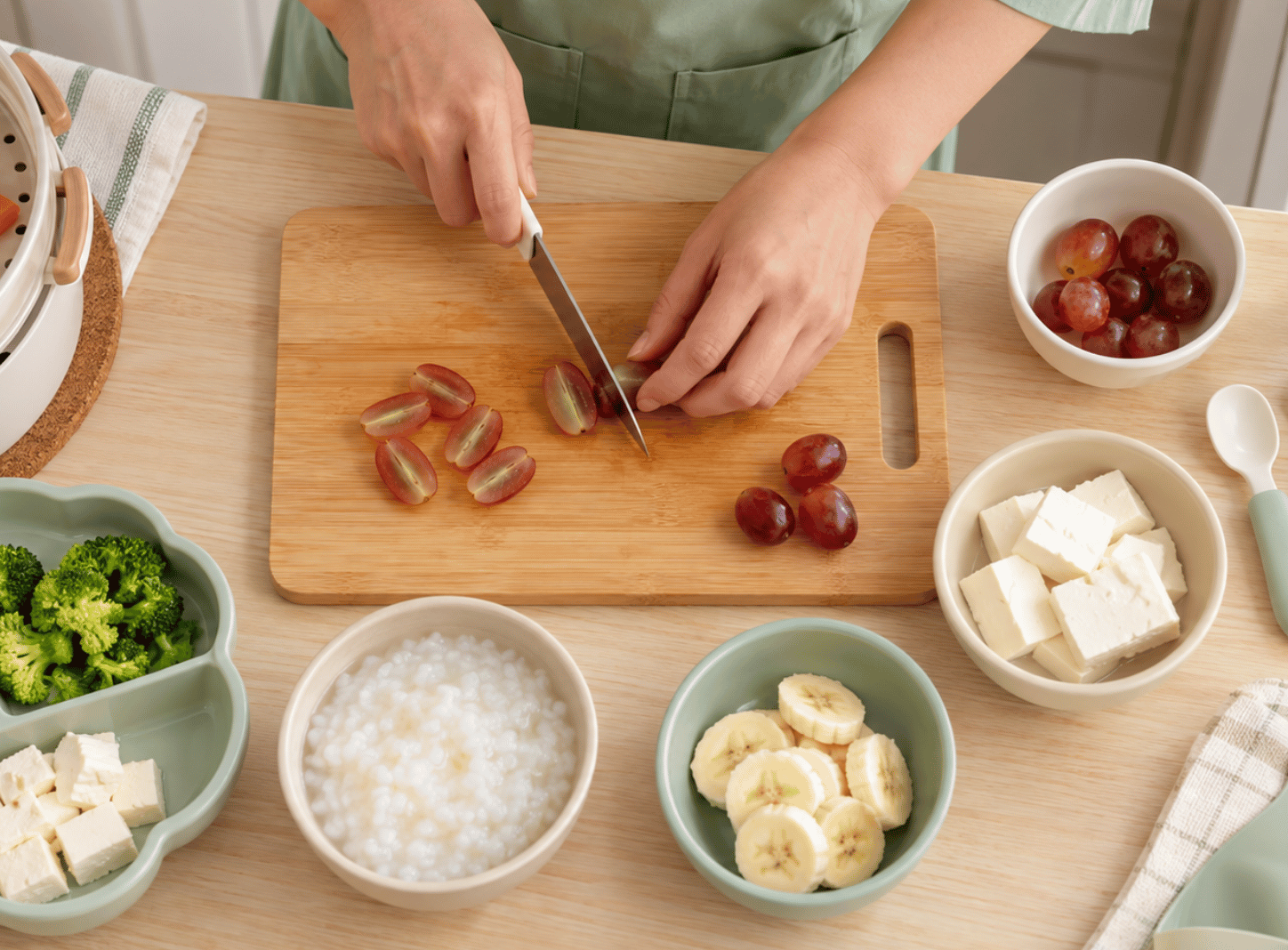
Choking can happen even when a child has eaten the same food before. The CDC recommends preparing food in a shape, size, and texture that matches the child’s development. Children should sit upright, remain calm, and be watched throughout the meal. They should not eat while walking, running, lying down, riding in a car, or using a stroller.
| Food or shape | Safer approach for young children |
|---|---|
| Whole grapes and small tomatoes | Cut into small pieces that cannot block the airway |
| Hard raw carrots and apples | Cook until soft, grate, mash, or prepare as advised for the child |
| Whole or chopped nuts | Do not serve to young children. Use an approved smooth nut product only when allergies and texture have been checked |
| Thick spoonfuls of nut butter | Spread a thin layer on a suitable food when approved |
| Sausages and other round foods | Cut lengthwise into thin short strips rather than round pieces |
| Popcorn, hard sweets, and chewing gum | Do not serve to young children |
Managing Food Allergies
Parents should provide a written list of known allergens, foods to avoid, safe alternatives, symptoms to watch for, and the emergency action plan. Check labels every time because ingredients and manufacturing statements can change. Use clean equipment and follow the family’s instructions for preventing contact between allergen free food and other food.
What to Do During a Serious Allergic Reaction
Follow the child’s written emergency action plan immediately. Use prescribed emergency medicine only as directed in that plan and only if you have been trained. Call 1669 in Thailand if the child has difficulty breathing, swelling of the tongue or throat, becomes unusually pale or blue, collapses, or is difficult to wake. Stay with the child and follow the emergency operator’s instructions. Contact the parents as soon as emergency help is underway.
What Parents Should Include in a Feeding Plan
A written handover reduces guesswork and helps every caregiver follow the same routine. Parents should update the document whenever the child’s diet, medication, allergy plan, or contact information changes.
| Category | Information to provide |
|---|---|
| Schedule | Usual meal and snack times plus instructions for milk and approved drinks |
| Food | Approved foods, restricted foods, suitable textures, portions, and preparation methods |
| Allergies | Known allergens, possible symptoms, safe alternatives, and the written emergency plan |
| Safety | Seating rules, choking precautions, emergency contacts, and the location of prescribed medicine |
| Communication | What to record, when to call the parents, and who to contact if they cannot be reached |
What a Nanny Should Record
- The time of each meal, snack, milk feed, and approved drink
- The food offered and how it was prepared
- An approximate amount eaten without forcing exact measurements
- The child’s response, including refusal, coughing, gagging, vomiting, discomfort, or rash
- Any departure from the routine and the reason
- Who was contacted and what action was taken if a concern occurred

When a Nanny Should Contact Parents
Contact the parents promptly for a sudden loss of appetite, repeated vomiting or diarrhea, refusal of fluids, repeated coughing during meals, pain when eating, an unusual rash, or any suspected exposure to an allergen. Use emergency services first when the child appears to be in immediate danger. Routine preferences and minor food refusals can usually be included in the daily handover.
Daily Feeding Checklist
- Review the written meal and allergy plan before preparing food.
- Wash hands and clean the preparation area.
- Confirm the food, texture, portion guidance, and drink.
- Remove bones, seeds, pits, and unsafe shapes.
- Seat the child upright and stay present throughout the meal.
- Respond calmly to hunger, fullness, and food refusal.
- Store leftovers safely or discard them when storage is uncertain.
- Record the meal and report concerns using neutral language.
Choosing a Nanny Who Can Follow a Feeding Plan
Parents should ask candidates to explain how they would prepare food for the child’s age, prevent choking, check an allergy label, and report a concern. A practical interview or supervised trial can show whether the candidate follows instructions and maintains hygiene. Confirm training and current skills for each candidate rather than assuming that experience in one household covers every feeding need.
Families can review Kiidu nanny services, learn about Kiidu training topics, and read the Kiidu trust and safety approach before comparing caregiver profiles and arranging interviews.
Conclusion
Good child nutrition support depends on clear instructions, safe preparation, attentive supervision, and accurate communication. A nanny should follow the family’s feeding plan, adapt food to the child’s development, respect hunger and fullness cues, and respond promptly to safety concerns. Parents remain responsible for dietary decisions and should seek advice from a pediatrician or dietitian when feeding, growth, allergies, or health concerns arise.
Frequently Asked Questions
What is the nanny’s main responsibility during meals
The nanny should serve approved food safely, supervise the child, follow the family’s routine, and record useful observations. Parents and qualified health professionals should make decisions about medical diets, allergies, supplements, and feeding treatment.
Can a nanny introduce a new food
Only when the parents have approved the food and explained how it should be prepared. This is especially important for infants and children with allergies, swallowing concerns, digestive conditions, or a prescribed diet.
What should a nanny do when a child refuses food
Stay calm, avoid pressure, and follow the agreed routine. Record what was offered and how the child responded. Tell the parents about repeated refusal, distress, pain, coughing, vomiting, or a major change in appetite.
How can a nanny reduce choking risk
Prepare food in a shape, size, and texture suited to the child’s development. Keep the child seated upright and watch them throughout the meal. Avoid hard, round, sticky, or difficult to chew foods unless they have been prepared safely.
What should a nanny do during a severe allergic reaction
Follow the written emergency plan, use prescribed emergency medicine as directed if trained, and call emergency services. In Thailand, call 1669. Stay with the child, follow the operator’s instructions, and contact the parents once emergency help is underway.
What should be included in a daily food record
Record meal and snack times, the food offered, how it was prepared, an approximate amount eaten, drinks, and any symptoms or unusual behavior. Use factual language and note any action taken.
Medical Disclaimer
This article provides general information for parents and caregivers. It does not replace medical advice, diagnosis, or an individual feeding plan. Consult a pediatrician or qualified dietitian about a child’s nutritional or medical needs. Call emergency services immediately when a child appears to be in danger.