
Hiring a Senior Caregiver in Bangkok (2026): Complete Family Guide
Finding the right senior caregiver in Bangkok is one of the most important decisions families make when caring for aging parents. Whether your loved one needs companionship, personal care, dementia support, or post-hospital recovery, choosing the right caregiver can significantly improve their quality of life.
Thailand’s elderly population continues to grow rapidly, and more families are choosing home care services over nursing homes. Professional caregivers allow seniors to remain independent while receiving personalized support in the comfort of their own homes.
In this guide, you’ll learn everything you need to know about hiring a caregiver in Bangkok, including costs, qualifications, legal requirements, interview tips, and how to choose a trusted home care provider.
Quick Summary
– Learn whether your loved one needs medical or non-medical care
– Understand caregiver salaries and hiring costs in Bangkok
– Discover where to find reliable caregivers
– Learn how to interview and verify caregivers
– Understand Thai employment regulations
– Improve home safety for seniors
– Build a successful long-term caregiving relationship
Why More Families in Bangkok Choose Home Care
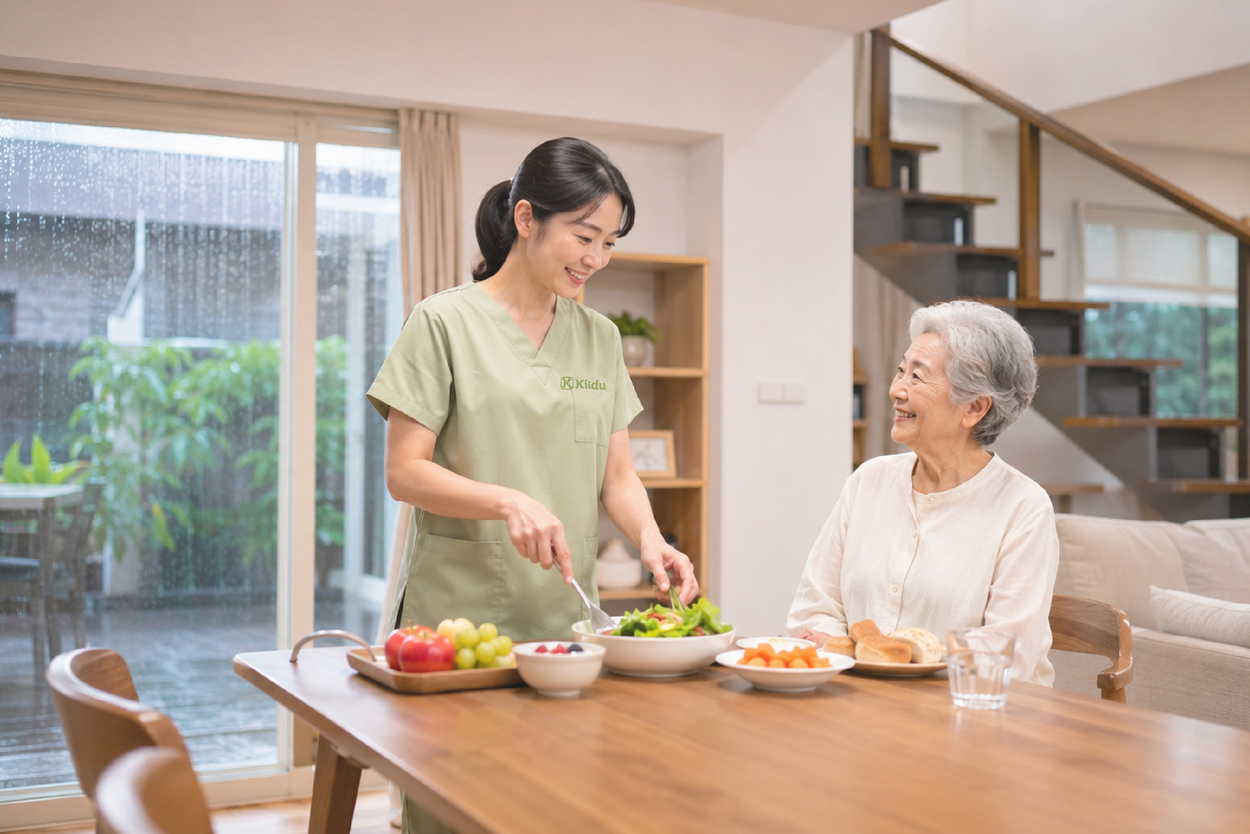
Home care has become the preferred option for many families because seniors often recover faster and remain happier in familiar surroundings.
Benefits include:
– One-on-one personalized attention
– Greater independence
– Familiar home environment
– Reduced stress compared to institutional care
– Flexible schedules (hourly, daily, overnight, or live-in)
– Better emotional well-being through family involvement
Instead of relocating elderly parents to a care facility, families can receive professional assistance while maintaining normal daily routines.

______________________________________________________________________________________________________
Types of Senior Care Services in Bangkok
Before hiring a caregiver, understand which level of care your family needs.
Non-Medical Caregiver
A non-medical caregiver helps with daily living activities, including:
– Personal hygiene
– Bathing assistance
– Dressing
– Meal preparation
– Medication reminders
– Light housekeeping
– Grocery shopping
– Transportation
– Companionship
– Exercise assistance
This is the most common type of caregiver for seniors living independently.
Medical Caregiver or Private Nurse
Medical caregivers provide clinical support, such as:
– Wound care
– Catheter care
– Feeding tube management
– Medication administration
– Vital signs monitoring
– Diabetes management
– Stroke recovery
– Post-surgery care
– Palliative care
These services should be performed by licensed nurses or healthcare professionals.
______________________________________________________________________________________________________
Step 1: Assess Your Parent’s Needs
Every family has different care requirements.
Ask yourself:
Physical Needs
– Can they walk independently?
– Do they need help bathing?
– Can they prepare meals?
– Do they require mobility assistance?
Medical Needs
– Dementia or Alzheimer’s?
– Parkinson’s disease?
– Stroke recovery?
– Diabetes management?
– Medication supervision?
Emotional Needs
Many seniors struggle more with loneliness than physical illness.
A compassionate caregiver can provide:
– Daily conversation
– Social interaction
– Mental stimulation
– Emotional companionship
– Outdoor activities
Understanding these needs helps you choose the right caregiver from the beginning.
Step 2: Define Daily Responsibilities
Create a written list of expectations before hiring.
Common caregiver responsibilities include:
Personal Care
– Bathing
– Grooming
– Toileting
– Dressing
Household Support
– Cooking
– Laundry
– Cleaning
– Grocery shopping
Health Support
– Medication reminders
– Blood pressure monitoring
– Appointment scheduling
– Hospital visits
Emotional Support
– Reading
– Walking
– Exercise
– Games
– Conversation
Clear expectations reduce misunderstandings later.
______________________________________________________________________________________________________
Step 3: Where to Find a Reliable Senior Caregiver in Bangkok
Families generally have three options.
1. Professional Care Agencies (Recommended)
Professional agencies usually provide:
– Background-checked caregivers
– Replacement caregivers
– Insurance coverage
– Ongoing supervision
– Emergency support
– Care management
This is often the safest option for families unfamiliar with hiring independently.
2. Personal Referrals
Ask for recommendations from:
– Friends
– Neighbors
– Doctors
– Hospitals
– Senior communities
– Expat groups
Referrals often provide valuable firsthand experiences.
3. Online Platforms
Many caregivers advertise through:
– Facebook groups
– Job websites
– Community forums
Always verify qualifications before hiring independently.
Step 4: Verify Qualifications
Never skip the verification process.
Check:
– Thai National ID
– Criminal background
– Previous employment references
– Caregiver training certificates
– First Aid certification
– CPR certification
– Nursing license (if applicable)
Always request original documents rather than photocopies.
______________________________________________________________________________________________________
Essential Caregiver Certifications
Look for caregivers with training in:
| Certification | Importance |
| Elderly Care Training | Essential |
| First Aid | Essential |
| CPR | Essential |
| Dementia Care | Highly Recommended |
| Nursing Assistant | Recommended |
| Licensed Nurse | Required for medical care |
Step 5: Interview the Caregiver
The interview is about more than experience.
You are selecting someone who may become part of your family.
Questions to Ask
– Why did you become a caregiver?
– How many years have you worked with seniors?
– Have you cared for dementia patients?
– How do you handle emergencies?
– What would you do if a senior refuses medication?
– Are you comfortable with overnight care?
– Can you provide references?
Their answers often reveal more than their resume.
Observe Their Interaction
If possible, arrange a meeting with your loved one.
Watch for:
– Patience
– Kindness
– Respect
– Communication
– Listening skills
– Empathy
The best caregivers naturally build trust.
Thai Employment Laws for Hiring Caregivers
Hiring a caregiver makes you an employer under Thai law.
A written employment agreement should include:
– Salary
– Working hours
– Days off
– Duties
– Overtime
– Holidays
– Termination notice
– Confidentiality
Clear contracts protect both parties.
Social Security and Insurance
Depending on employment arrangements, employers may need to provide:
– Social Security contributions
– Health insurance
– Paid leave
– Holiday benefits
Consult current Thai labor regulations or a professional agency for guidance.
______________________________________________________________________________________________________
Building a Strong Relationship with Your Caregiver
A successful caregiving arrangement depends on communication.
Establish House Rules
Discuss:
– Working hours
– Phone use
– Visitors
– Meals
– Privacy
– Emergency procedures
Written guidelines help avoid misunderstandings.
Hold Regular Check-ins
Weekly conversations allow you to discuss:
– Health changes
– Medication issues
– Emotional well-being
– Care improvements
– Family concerns
Open communication builds trust.
Home Safety Checklist
Small home improvements significantly reduce fall risks.
Consider:
– Grab bars in bathrooms
– Non-slip mats
– Brighter lighting
– Handrails
– Remove loose rugs
– Clear walkways
– Emergency contact list
– Medical information readily available
A safer home benefits both seniors and caregivers.
Emergency Planning
Every caregiver should know:
– Emergency contacts
– Preferred hospitals
– Current medications
– Allergies
– Existing medical conditions
– Family contact numbers
Practice emergency procedures before they become necessary.
How Much Does a Senior Caregiver Cost in Bangkok?
Costs depend on:
– Experience
– Qualifications
– Medical skills
– Working hours
– Live-in vs. live-out
– Language abilities
Typical monthly costs generally range from 15,000–25,000 THB for full-time non-medical caregivers, while licensed nurses or caregivers with specialized medical training may charge more.
Additional expenses may include:
– Food allowance
– Transportation
– Holiday bonuses
– Social Security contributions
– Medical supplies
– Equipment
Plan your budget carefully before hiring.
Choosing Between an Independent Caregiver and an Agency
| Independent Caregiver | Professional Agency |
| Lower upfront cost | Background checks included |
| More flexible | Replacement caregivers available |
| Must manage hiring yourself | Ongoing supervision |
| No backup caregiver | Quality assurance |
| Higher hiring risk | Better long-term reliability |
Many families choose agencies because they reduce administrative work and provide additional peace of mind.
Why Families Trust Professional Home Care
Professional caregivers provide more than daily assistance.
They help seniors maintain:
– Independence
– Confidence
– Physical health
– Mental well-being
– Social engagement
– Dignity
With the right caregiver, seniors can continue enjoying life safely at home.
______________________________________________________________________________________________________
Final Thoughts
Hiring a senior caregiver in Bangkok is about finding someone who will treat your loved one with compassion, respect, and professionalism.
Take time to evaluate your family’s needs, verify qualifications, interview candidates thoroughly, and establish clear expectations from the beginning.
Whether you need short-term recovery support, full-time elderly care, dementia assistance, or companionship, choosing the right caregiver can dramatically improve your loved one’s quality of life while giving your family lasting peace of mind.
Frequently Asked Questions
How much does a senior caregiver cost in Bangkok?
Most full-time caregivers charge between 15,000 and 25,000 THB per month, depending on experience, qualifications, and responsibilities. Licensed nurses and specialized dementia caregivers generally charge higher rates.
What is the difference between a caregiver and a private nurse?
A caregiver provides non-medical support such as bathing, meal preparation, companionship, and mobility assistance. A private nurse delivers clinical care, including wound care, injections, medication administration, and chronic disease management.
How do I find a trusted caregiver in Bangkok?
You can hire through professional home care agencies, referrals from healthcare providers, or personal recommendations. Always verify references, certifications, and background checks before making a hiring decision.
Should I hire independently or through an agency?
Professional agencies typically offer screened caregivers, replacement services, ongoing supervision, and administrative support. Independent hiring may reduce costs but requires more time and responsibility from the family.
What qualifications should a caregiver have?
Look for training in elderly care, First Aid, CPR, dementia care, and relevant caregiving experience. If medical care is required, ensure the caregiver is a licensed nurse or certified healthcare professional.
Can caregivers support seniors with dementia or Alzheimer’s?
Yes. Many caregivers specialize in dementia and Alzheimer’s care, providing structured routines, memory support, medication reminders, and compassionate assistance tailored to cognitive decline.