
Home care vs nursing homes is an important decision for families in Thailand. Home care may suit older adults who are medically stable, prefer familiar routines, and need help with daily living. A nursing home may be more appropriate when continuous supervision, rehabilitation, or complex medical support is required.
For many Thai seniors, home is much more than a building. It is where they raised their children, celebrated milestones, greeted familiar neighbours, and built a lifetime of memories. Leaving that environment can feel overwhelming. While nursing homes are the right solution for some families, many older adults simply wish to remain where they feel safest and happiest.
For families considering aging in place and helping aging parents remain independent at home, professional support can make daily life safer and more manageable. With the right senior caregiver, older adults may continue living comfortably in familiar surroundings while their families gain greater peace of mind.
Thailand is already a complete aged society. In 2024, adults aged 60 and over accounted for 20.8% of the country’s registered population, according to the Thailand Statistical Yearbook 2025 published by the National Statistical Office. The 2024 Survey of Older Persons in Thailand also found that the proportion of older people living alone increased from 3.6% in 1994 to 12.9% in 2024. These figures highlight the growing need for flexible and appropriate care options.
As Thailand’s population continues to age, the question is no longer whether families will need elderly care but how they can help their loved ones age with dignity, independence, and the comfort of home.
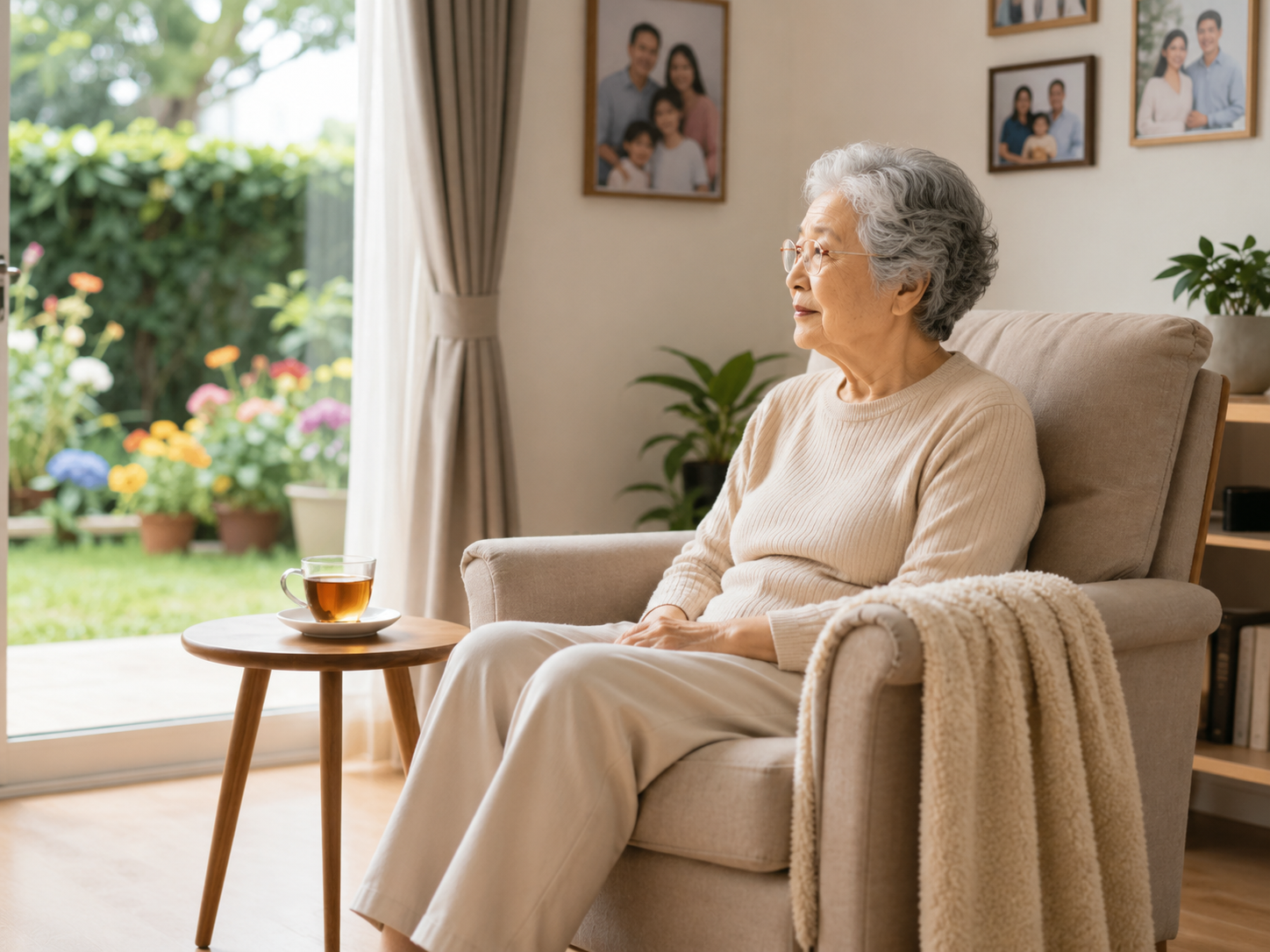
Why Aging at Home Matters
Remaining in a familiar environment helps many seniors maintain confidence, independence, and emotional well-being. Familiar routines, treasured possessions, and nearby community connections all contribute to a greater sense of security. Home also allows older adults to continue making daily choices, preserving their dignity and quality of life.
Home Care vs Nursing Homes: Key Differences
Home care and nursing homes each have important roles. Families should choose the option that best matches medical needs, lifestyle, and personal preferences. Home care is often ideal for seniors who are medically stable and wish to remain in familiar surroundings, while nursing homes may be more suitable when continuous clinical supervision is required.
Feature | Home Care | Nursing Home |
Environment | Familiar home | Residential facility |
Care | Personalised one-to-one | Shared care |
Routine | Flexible | Structured |
Family Time | Daily visits and meaningful moments | Visiting hours may vary |
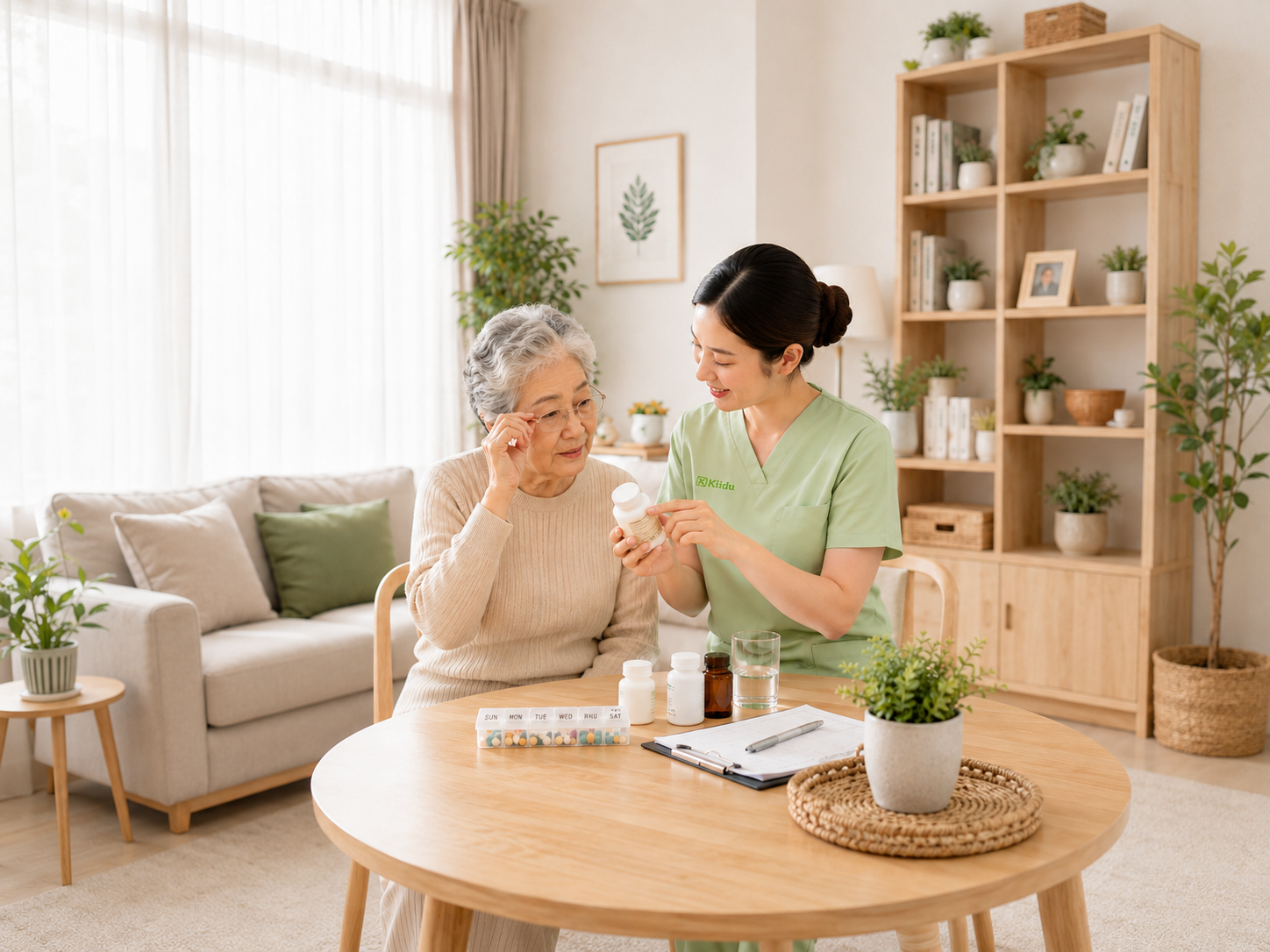
Is Hiring a Senior Caregiver Worth It?
Many families see hiring a senior caregiver as an investment rather than an expense. A caregiver helps with daily routines, safety, companionship, meal preparation, mobility support, medication reminders, and light household tasks. Most importantly, adult children can spend their evenings talking, sharing meals, and creating memories instead of feeling overwhelmed by caregiving responsibilities. Families who are ready to explore this option can follow this practical guide to hiring a senior caregiver in Bangkok, including how to assess care needs, review qualifications, and prepare for interviews.
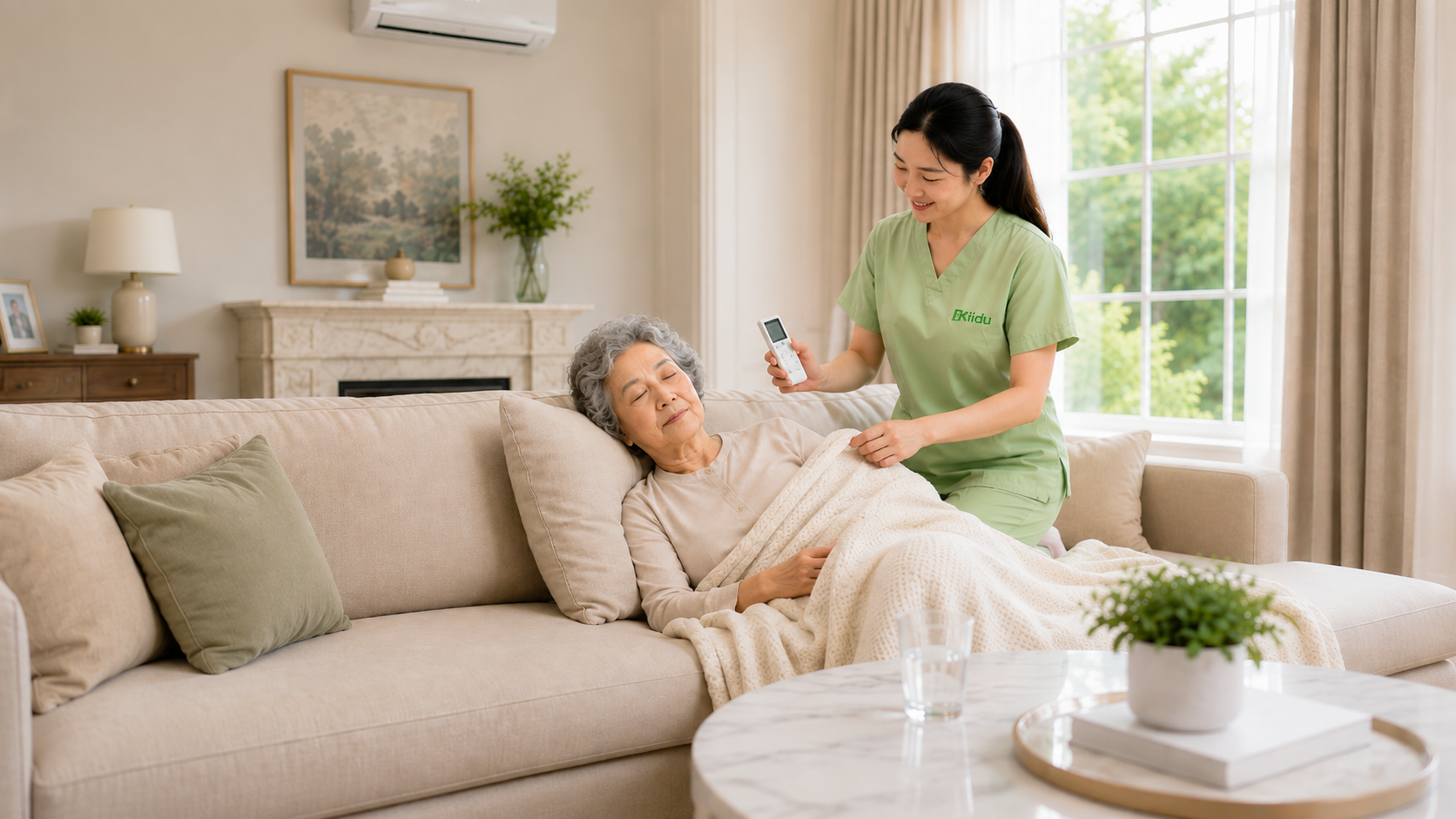
What Does a Senior Caregiver Do?
The right responsibilities depend on the older person’s mobility, health, daily routine, and home environment. For families who live in another city or country, this guide explains how a caregiver for elderly parents in Thailand can provide consistent daily support and communication.
• Assist with personal care and hygiene
• Prepare nutritious meals
• Provide medication reminders
• Support walking and mobility
• Offer companionship and conversation
• Accompany seniors to appointments
• Monitor safety and reduce fall risks
• Assist with light housekeeping
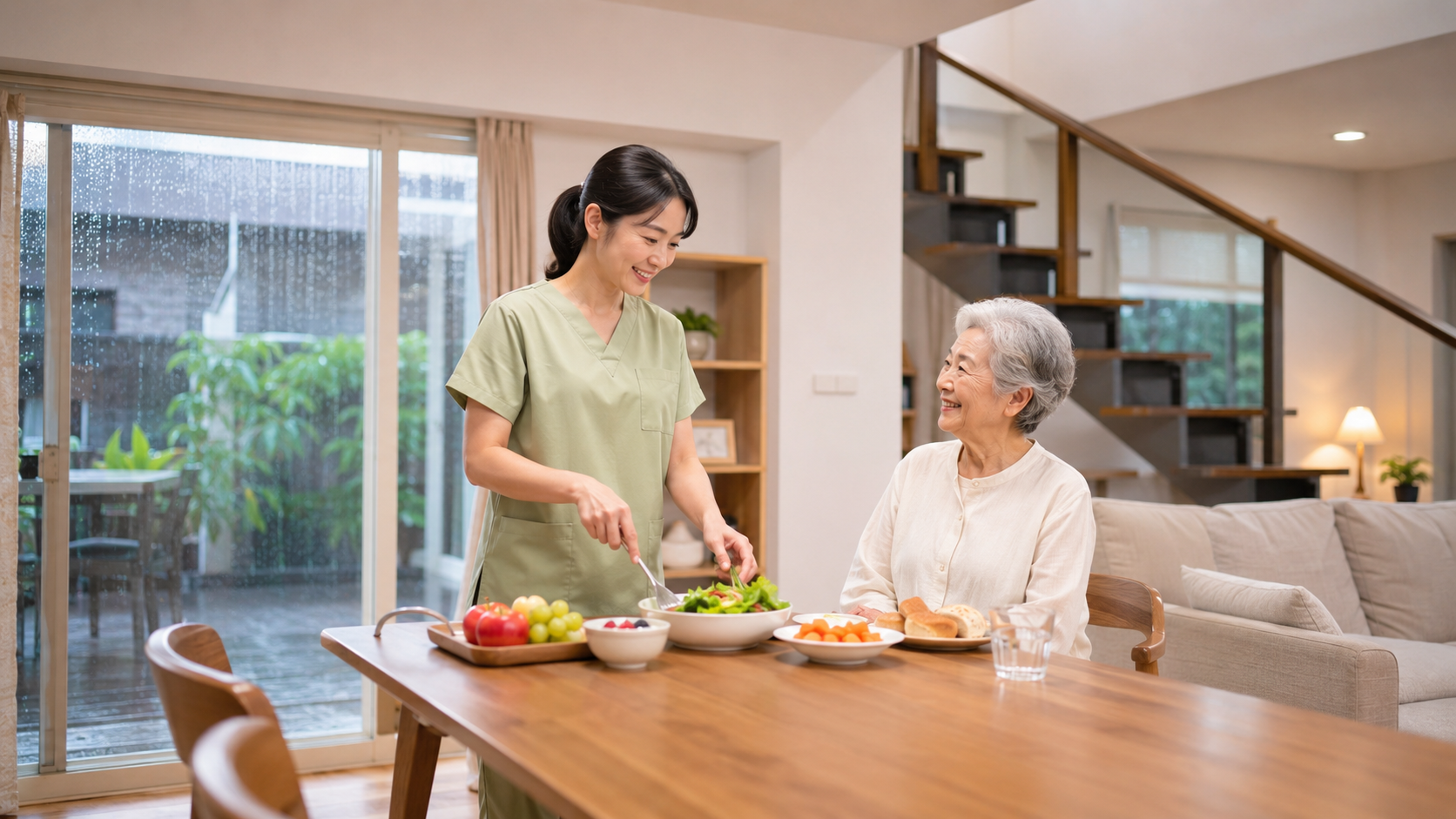
Signs Your Parent May Need Extra Support
Frequent missed medication, reduced mobility, loneliness, poor nutrition, difficulty maintaining the home, or increasing forgetfulness are common signs that additional support may be beneficial. Seeking help early often allows seniors to remain independent for longer.
How Kiidu Helps Families
Kiidu carefully matches families with experienced, background-checked senior caregivers based on each family’s unique needs. Whether you need part-time, full-time, or live-in support, Kiidu focuses on providing compassionate home care that helps seniors remain safe, comfortable, and happy in the place they love most their own home.