
Why More Families Are Choosing Home Nursing for Elderly Care In Thailand
Modern lifestyle demands in urban centers are rapidly changing how we support our aging relatives. Many families now seek professional assistance to ensure their loved ones receive high-quality attention without leaving their familiar surroundings.
Choosing the right elderly care Thailand solution has become a top priority for busy households. By opting for a dedicated home nurse service, families can balance their professional responsibilities while maintaining peace of mind.
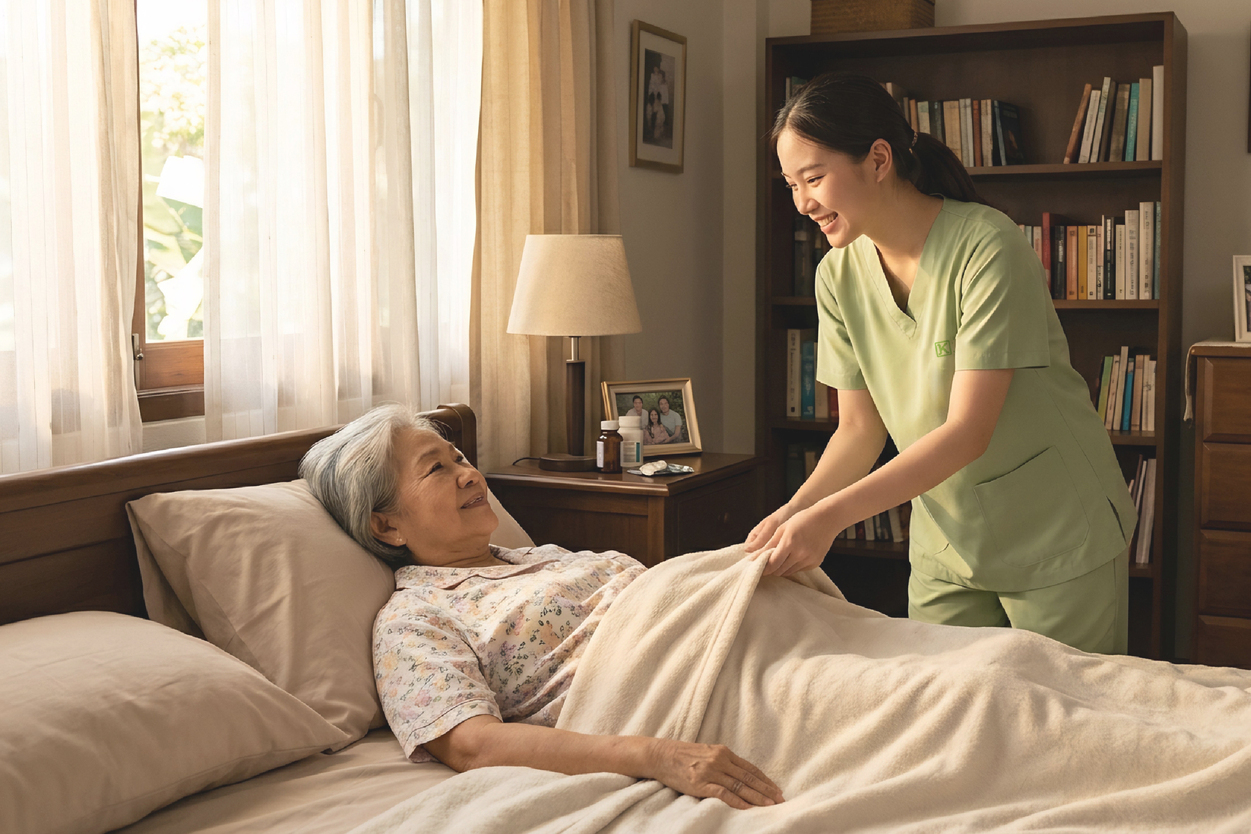
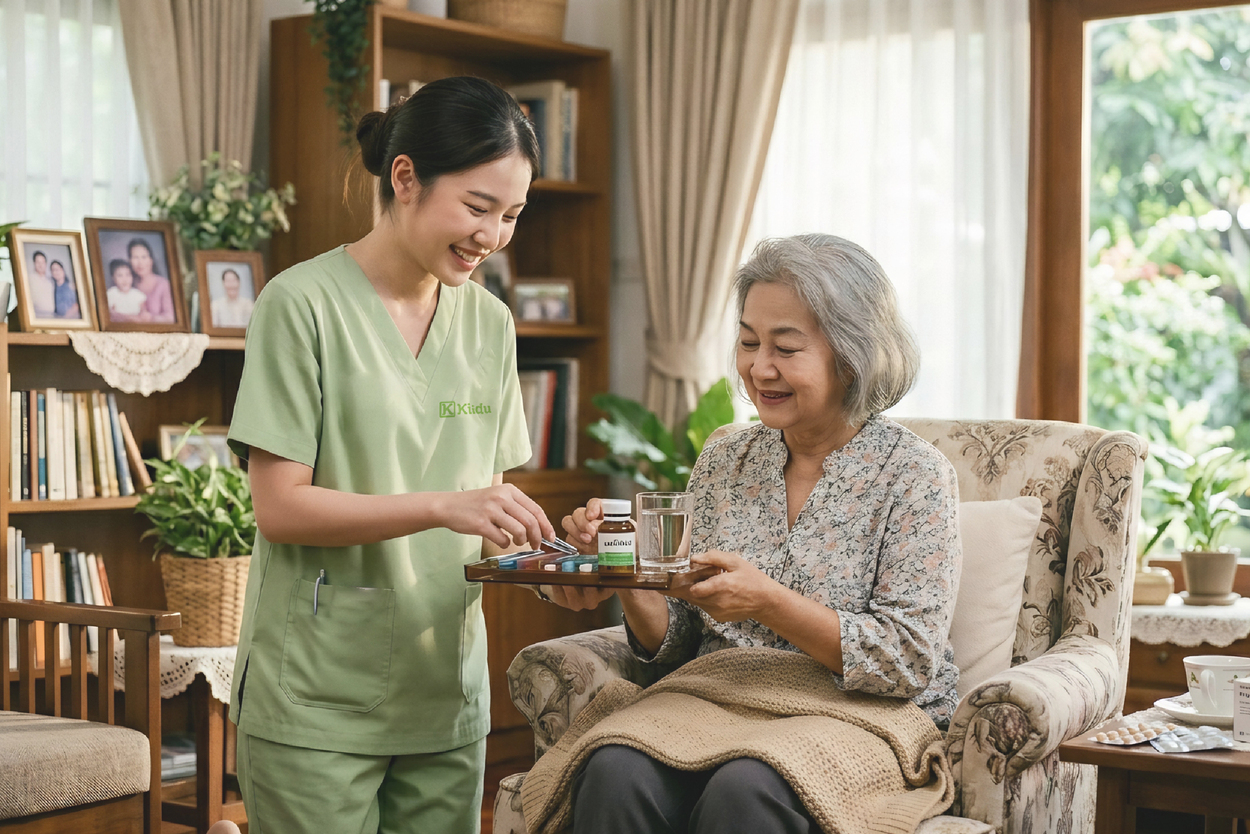
A professional Kiidu caregiver offers more than just medical monitoring; they provide companionship and stability. This personalized nurse service ensures that your family members remain comfortable, safe, and happy in the place they love most.
Key Takeaways
– Families are increasingly prioritizing professional support to manage aging relatives at home.
– Modern schedules make it difficult to provide full-time attention to seniors.
– Professional assistance allows aging individuals to maintain their independence in a familiar environment.
– Qualified support provides both medical oversight and emotional companionship.
– Choosing the right provider ensures a higher quality of life for your loved ones.
______________________________________________________________________________________________________
The Changing Landscape of Elderly Care in Thailand
A quiet revolution is taking place in Thai homes as the demand for professional nursing services continues to rise. As the nation experiences demographic shifts, the traditional methods of looking after our seniors are being re-examined. Families are now seeking sustainable ways to balance career demands with the essential needs of their loved ones.
Cultural Shifts and the Modern Thai Family
Historically, Thai culture relied heavily on multi-generational households where children provided direct care for their parents. However, rapid urbanization and busy modern schedules have made this traditional model increasingly difficult to maintain. Many families now find themselves juggling professional responsibilities while trying to provide high-quality elderly care in Thailand.
This transition has created a gap in daily supervision and medical attention for seniors. To bridge this divide, many households are turning to external support systems. This shift ensures that family support remains strong, even when relatives cannot be physically present throughout the entire day.
The Growing Preference for Aging in Place
More families are embracing the concept of aging in place, which allows seniors to remain in the comfort of their own homes. This approach is often preferred over institutional care because it preserves the emotional connection to familiar surroundings. By integrating professional nursing into the home environment, seniors can receive medical care without the stress of hospital transitions.
The following table highlights the key differences between traditional care models and modern home-based solutions:
| Feature | Traditional Care | Modern Home Nursing |
| Environment | Institutional Facility | Personal Home |
| Care Level | General Supervision | Specialized Medical Support |
| Family Role | Primary Caregiver | Coordinated Oversight |
| Flexibility | Fixed Schedules | Customized Care Plans |
Choosing to support a loved one at home fosters a sense of dignity and independence. It allows for a personalized approach that respects the unique history and preferences of the individual. Ultimately, this modern strategy provides peace of mind for the entire family.
______________________________________________________________________________________________________
Benefits of Personalized Home Nurse Service
Many families in Thailand are discovering that the most effective healing often happens within the walls of their own homes. By choosing a home nurse service, you provide your loved ones with a level of care that prioritizes their emotional comfort alongside their medical requirements.
This approach ensures that health management is not just a clinical task, but a compassionate journey. Focusing on home care benefits allows patients to thrive in an environment where they feel truly valued and understood.
Maintaining Independence and Familiar Surroundings
The concept of aging in place is central to preserving the dignity of our elderly family members. When seniors remain in their own homes, they stay connected to their cherished memories and daily routines.
This sense of continuity is invaluable for mental health. A professional home nurse service supports this independence by assisting with daily tasks while encouraging the patient to remain as active as their health allows.
By staying in a familiar setting, individuals often experience less confusion and anxiety. This stability is a cornerstone of effective long-term health management and overall happiness.
Reducing the Stress of Hospital Environments
Frequent trips to clinical facilities can be overwhelming for the elderly. The sterile atmosphere and rigid schedules of hospitals often contribute to unnecessary stress and fatigue.
Opting for aging in place helps minimize these disruptions significantly. With personalized attention, the patient receives high-quality care without the emotional burden of navigating a busy medical ward.
Ultimately, the primary goal of these home care benefits is to foster a deep sense of security. When a dedicated home nurse service provides care in the living room rather than a hospital bed, the patient feels safer, calmer, and more empowered in their recovery.
______________________________________________________________________________________________________
Why Families Trust Kiidu Caregiver Services
Entrusting a stranger with the care of a family member is a significant decision that requires complete peace of mind. Many households in Thailand look for a Kiidu caregiver because they prioritize safety and professional excellence above all else. This commitment to quality ensures that every senior receives the dedicated attention they deserve within their own home.
Rigorous Vetting and Professional Training Standards
Every professional undergoes a stringent screening process before joining the team. This includes thorough background checks and verification of medical certifications to ensure total reliability. Continuous training is also mandatory, keeping staff updated on the latest health protocols and safety standards.
Matching Caregivers to Unique Family Needs
We understand that every household has different requirements and cultural preferences. By carefully analyzing the specific personality and health needs of the senior, we ensure a perfect match between the caregiver and the family. This personalized approach fosters a sense of comfort and stability for everyone involved.
Customized Care Plans for Chronic Conditions
Effective chronic disease management requires more than just basic assistance. Our professionals develop tailored health strategies that address specific medical conditions, such as diabetes or hypertension. These plans are regularly reviewed to adapt to the changing health status of the individual.
Emotional Support and Companionship
Beyond physical health, we recognize that genuine connection is vital for the well-being of the elderly. Providing consistent family support through companionship helps reduce feelings of isolation and loneliness. A compassionate caregiver acts as a trusted friend, brightening the daily routine of those they serve.
______________________________________________________________________________________________________
The Role of Professional Nurse Service in Daily Health Management
Professional nursing brings clinical precision directly into the comfort of your living room. By integrating medical support into the home, families can ensure that senior health is managed with the same level of expertise found in a hospital. This proactive approach allows for better outcomes and peace of mind for everyone involved.
Medication Administration and Monitoring
Accurate medication management is the cornerstone of effective chronic disease management. A qualified nurse serviceensures that prescriptions are followed precisely, which significantly reduces the risk of adverse drug interactions or missed doses. Consistent monitoring of vital signs allows for early detection of potential health issues before they escalate into emergencies.
Beyond simple reminders, professionals track trends in blood pressure, glucose levels, and heart rate. This data-driven approach provides families with a clear picture of their loved one’s daily well-being. It transforms home care from a passive activity into a structured, professional nursing strategy.
Post-Operative Care and Rehabilitation Support
Recovering from surgery or a significant injury requires more than just rest; it demands structured rehabilitation. Professional caregivers provide the necessary physical assistance and encouragement to help patients regain their strength safely. This support is vital for preventing complications like infections or muscle atrophy during the recovery phase.
The following table outlines how home-based care effectively manages critical health tasks compared to traditional settings:
| Health Task | Home-Based Care | Clinical Setting |
| Medication Tracking | High Precision | Standardized |
| Chronic Disease Management | Personalized | General |
| Rehabilitation Support | One-on-One | Group-Focused |
| Medical Support | Continuous | Shift-Based |
By focusing on rehabilitation and consistent chronic disease management, families can foster a faster and more comfortable recovery process. This level of dedicated attention ensures that the patient remains stable while transitioning back to their normal daily routine.
______________________________________________________________________________________________________
Enhancing Lifestyle and Quality of Life at Home
A holistic approach to aging at home transforms the daily experience for elderly family members. While medical tasks are essential, true senior health encompasses the joy and comfort found in everyday routines. By focusing on the person rather than just the patient, caregivers help create a fulfilling environment that supports long-term happiness.
Promoting Physical Activity and Mobility
Maintaining movement is a cornerstone of healthy aging. Professional caregivers introduce gentle, supervised exercises that are tailored to the specific capabilities of each individual. These routines often incorporate rehabilitation techniques designed to improve balance and strength.
Regular activity helps seniors stay mobile and independent within their own homes. By integrating these movements into daily life, caregivers ensure that physical decline is slowed significantly. This proactive approach to lifestyle management keeps the body active and resilient.
Social Engagement and Mental Well-being
Loneliness can be a significant challenge for the elderly, often leading to cognitive decline. Caregivers provide essential social interaction that keeps the mind sharp and the spirit lifted. Engaging in conversation, hobbies, and light activities prevents the isolation that often occurs in traditional institutional settings.
A focus on mental senior health is just as important as physical care. Caregivers use various strategies to keep seniors connected and mentally stimulated:
– Encouraging participation in daily family rituals and conversations.
– Facilitating cognitive games and puzzles to maintain mental acuity.
– Supporting engagement with community interests or digital communication tools.
– Providing companionship that fosters a positive lifestyle and emotional stability.
By combining physical rehabilitation with meaningful social connection, families can ensure their loved ones thrive. This comprehensive support system allows seniors to remain active, connected, and mentally engaged in the comfort of their own homes.
______________________________________________________________________________________________________
Overcoming Challenges in Home-Based Elderly Care
While home care offers immense freedom, it also brings unique logistical hurdles that families must address proactively. Transitioning to a home-based model is a significant step that requires careful attention to detail to ensure patient safetyand long-term comfort. By anticipating these challenges early, you can create a stable environment where your loved one thrives.
Ensuring Safety and Accessibility in the Home
The first priority in any home care setup is modifying the living space to accommodate changing physical needs. Simple changes, such as installing grab bars in bathrooms or removing loose rugs, can drastically reduce the risk of falls. Prioritizing these adjustments early on provides peace of mind for both the caregiver and the senior.
Accessibility is about more than just physical modifications; it is about creating a flow that supports independence. Consider widening doorways for wheelchair access or ensuring that frequently used items are within easy reach. These thoughtful changes empower seniors to move through their home with confidence and dignity.
Coordinating Care with Medical Professionals
Effective home care relies heavily on seamless communication between family members and healthcare providers. Establishing a clear system for sharing health updates ensures that medical support is always aligned with the current needs of the patient. Regular check-ins with doctors help prevent complications and keep treatment plans on track.
Families should maintain a centralized log of medications, appointments, and physical therapy exercises. This practice minimizes confusion and ensures that everyone involved in the care process is on the same page. When professional guidance is integrated into the daily routine, the quality of care improves significantly.
| Area of Focus | Safety Improvement | Expected Benefit |
| Bathroom | Install grab bars and non-slip mats | Prevents slips and falls |
| Living Room | Clear pathways and improve lighting | Enhances mobility and independence |
| Health Monitoring | Digital logs for medical support | Ensures accurate treatment tracking |
| Bedroom | Adjustable bed and bedside rails | Supports patient safety during rest |
______________________________________________________________________________________________________
Cost-Effectiveness of Home Nursing Compared to Institutional Care
Many families in Thailand are discovering that professional care at home is often more budget-friendly than traditional facility stays. While the initial price of a home nurse service might seem like a significant commitment, it frequently proves to be a cost-effective care solution when viewed over the long term. By focusing on preventative health measures, families can avoid the high expenses associated with emergency medical interventions.
Long-Term Financial Considerations
Planning for the future of an elderly loved one requires a clear understanding of recurring expenses. Institutional care often involves high monthly overheads, including facility maintenance fees and administrative charges that do not directly contribute to patient safety. In contrast, home-based support allows families to allocate their budget specifically toward the care and comfort of their relative.
One of the primary home care benefits is the ability to customize the level of support based on current health needs. This flexibility ensures that you are not paying for unnecessary services, which helps in maintaining a sustainable financial plan. Over time, this targeted approach leads to better health outcomes and fewer unexpected medical bills.
Avoiding Hidden Costs of Hospitalization
Hospital stays often come with a variety of hidden costs that can quickly strain a family budget. Beyond the daily room rates, families must account for frequent transportation expenses, parking fees, and the cost of meals for caregivers visiting the facility. These peripheral expenses are significantly reduced or eliminated when a professional nurse provides care within the familiar environment of the home.
Furthermore, consistent monitoring at home helps in reducing readmission rates, which is a major factor in long-term savings. When a patient remains in a stable, comfortable setting, the risk of hospital-acquired infections or complications decreases substantially. This proactive management is a cornerstone of patient safety and ensures that your resources are used efficiently.
| Expense Category | Institutional Care | Home Nursing |
| Daily Facility Fees | High | None |
| Transportation Costs | Frequent | Minimal |
| Personalized Attention | Limited | High |
| Hidden Administrative Fees | Significant | None |
Conclusion
Choosing the right path for elderly care requires a focus on both medical needs and emotional comfort. Families across Thailand now recognize that staying at home provides a sense of security that institutions often lack.
Kiidu offers a bridge between professional medical support and the warmth of a family environment. This approach ensures that your loved ones remain in familiar surroundings while receiving expert attention.
Investing in home nursing represents a smart, cost-effective care strategy for many households. It removes the burden of hospital logistics and allows seniors to maintain their daily routines with dignity.
You have the power to shape the future of your family members by selecting personalized support. Reach out to professional services today to discuss how a tailored plan can improve the happiness and health of your seniors.
Taking this step creates a sustainable balance for everyone involved. Your commitment to their well-being at home fosters a stronger, more connected family life for years to come.
____________________________________________________________________________________________________
FAQ
Why is home nursing becoming the preferred choice for families in Thailand?
As modern lifestyle demands evolve, many families in Thailand are moving away from traditional multi-generational living but still want to prioritize their elders’ well-being. Home nursing allows seniors to benefit from aging in place, staying in the comfort of their own residences while receiving professional medical support. This transition ensures that the elderly maintain their independence and dignity without the stress of moving to an unfamiliar facility.
How does Kiidu ensure that caregivers are qualified to handle elderly patients?
At Kiidu, we implement a rigorous vetting process and high professional training standards for every Kiidu caregiver. We focus on matching the specific health needs of the senior such as chronic disease management or dementia care with the specialized skills of our staff. This personalized approach gives families peace of mind, knowing their loved ones are in the hands of a trusted, competent professional.
Can a home nurse assist with recovery after a hospital stay?
Yes, absolutely. Professional nurse services are instrumental in post-operative care and rehabilitation support. By having a qualified professional at home, patients receive accurate medication administration, consistent health monitoring, and structured physical therapy. This level of clinical attention helps prevent complications and reduces the likelihood of hospital readmission.
What are the psychological benefits of home-based elderly care?
Staying in familiar surroundings significantly boosts a senior’s mental health and overall happiness. Home care minimizes the anxiety often caused by clinical environments and promotes social engagement. A Kiidu caregiver doesn’t just provide medical help; they offer companionship and emotional support, which are vital for preventing isolation and cognitive decline.
How can I make my home safer for an elderly family member with limited mobility?
Ensuring safety and accessibility is a key part of effective home care. Families can modify their environment by installing grab bars, improving lighting, and removing tripping hazards. Our professional nurses also work closely with medical professionals to coordinate care plans, ensuring the home environment supports the senior’s specific mobility and physical activity goals.
Is hiring a private home nurse more cost-effective than a nursing home in Thailand?
In many cases, yes. Home nursing is a highly cost-effective care solution because it allows families to pay for specific services tailored to their needs rather than high institutional overhead. By focusing on preventative care and avoiding the hidden costs of long-term hospitalization such as transportation and facility fees families can manage their budgets more efficiently while providing superior, one-on-one attention.