
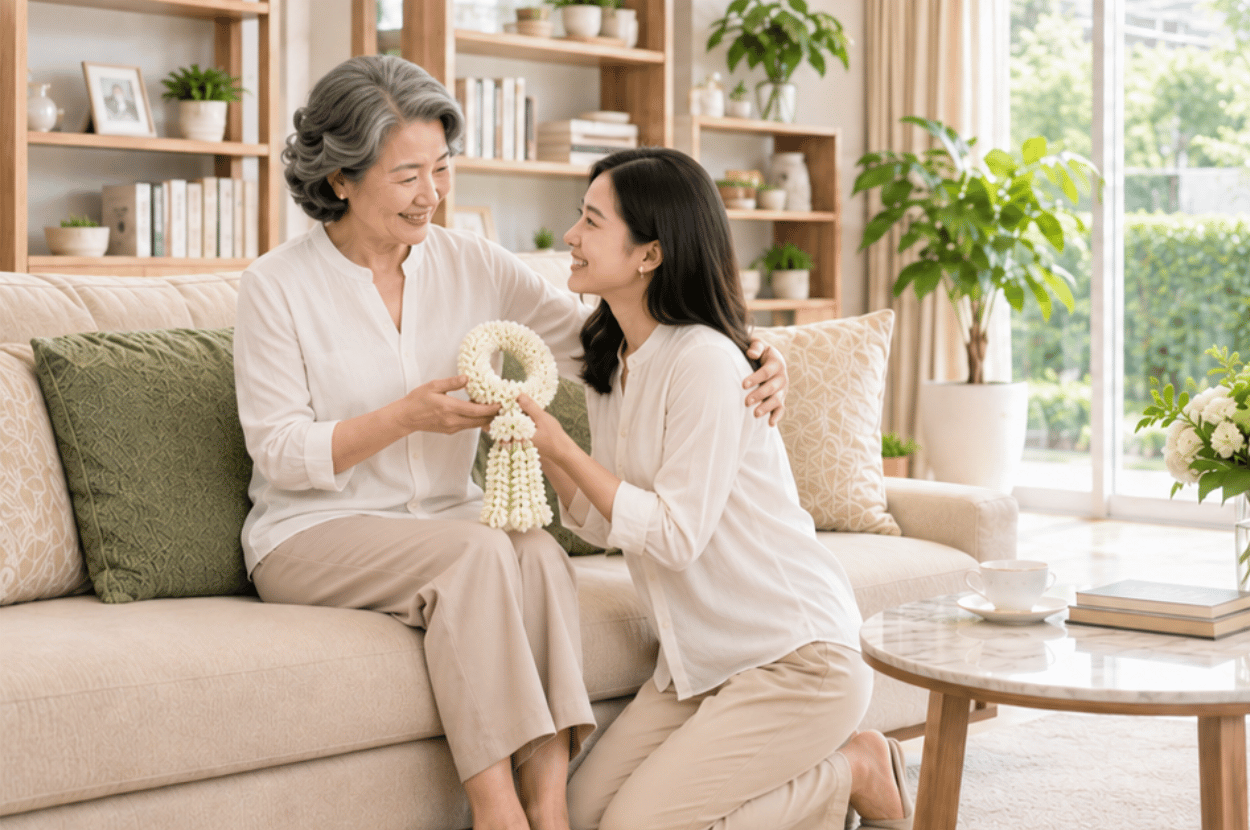
How to Arrange the Right Care for Mom This Mother’s Day
Arranging the right senior care for mom begins with understanding her health, daily routine, mobility, safety, and personal preferences.
A thoughtful Mother’s Day gift can bring joy for a day. A thoughtful care plan can make everyday life feel safer, more comfortable and more manageable for months to come.
For families searching for a caregiver for an elderly mother in Bangkok, the best starting point is not a job title or a list of profiles. It is a clear understanding of what Mom wants, what support she needs and which responsibilities require a trained caregiver or a licensed nurse.
| Quick answer for families A senior caregiver can support personal routines, meals, mobility, companionship and everyday safety at home. A registered nurse is more appropriate when the care plan includes clinical assessment, nursing procedures or medical monitoring. The right choice depends on Mom’s health, independence, preferences, home environment and instructions from her healthcare team. |

Why Mother’s Day Is a Good Time to Start a Care Conversation
Care discussions are often postponed because families worry that the subject may feel uncomfortable or may suggest a loss of independence. Mother’s Day can create a more positive opening. The conversation can focus on comfort, choice and the support that would make daily life easier.
A good care plan should be developed with the older person, not simply for her. The World Health Organization’s integrated care approach promotes person centred and coordinated care that considers both health and social support needs. This means Mom’s preferences, routines and goals should remain central to the decision.
Try beginning with practical questions: Which parts of the day feel tiring? Are there tasks she avoids? Would she prefer support for a few hours, a full day or overnight? What would help her feel more confident at home?
Start With Mom’s Needs, Not the Caregiver’s Job Title
Families sometimes begin by asking whether they need a caregiver, nurse or maid. A more reliable approach is to list the actual tasks, risks and care instructions first. The role becomes clearer once the needs are specific.
Daily support that may suit a senior caregiver
- Assistance with bathing, dressing, grooming and toileting according to Mom’s preferences
- Meal preparation, hydration support and help during meals
- Safe movement around the home and support with walking or transfers within the caregiver’s training
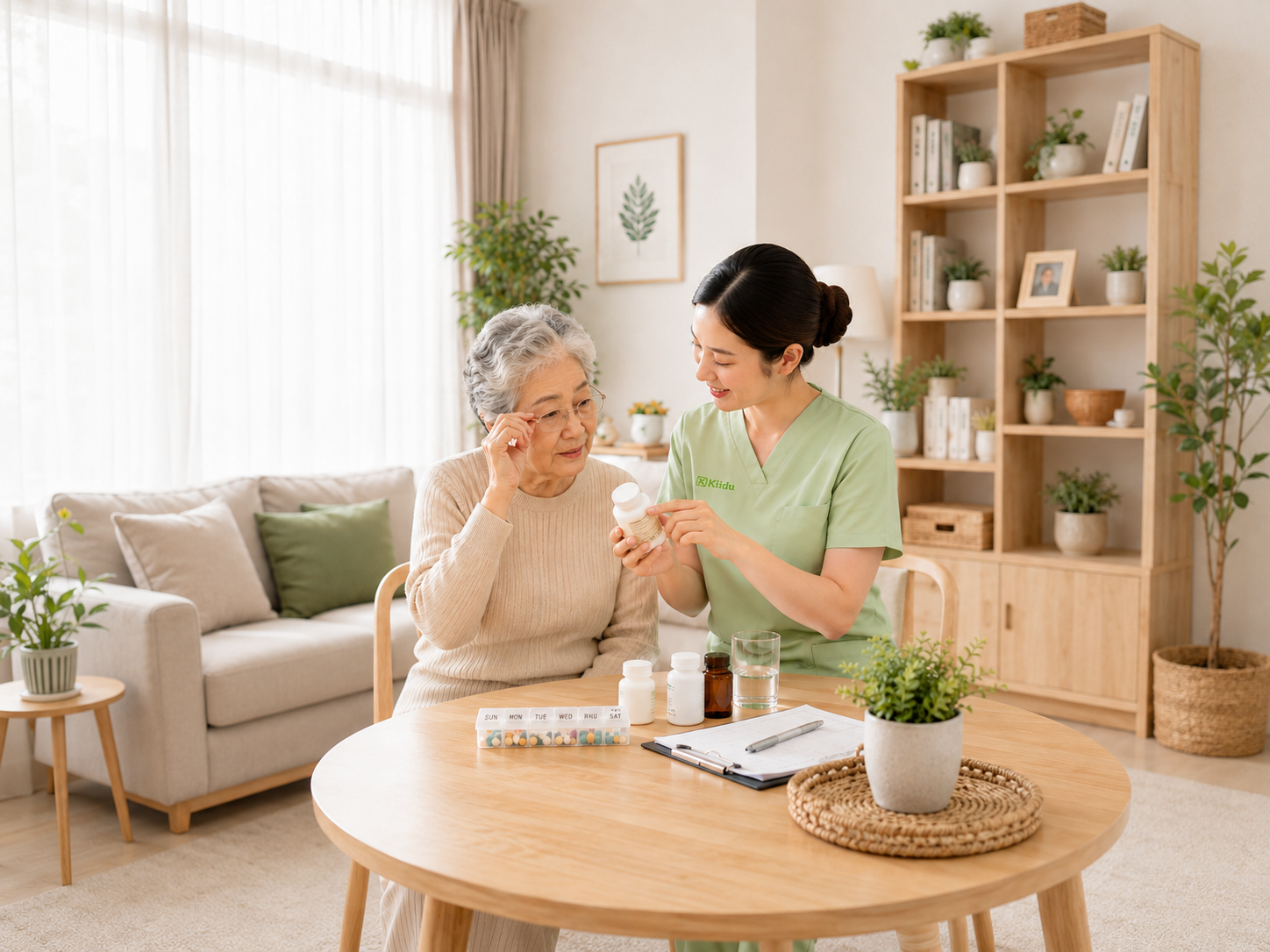
- Medication reminders based on the family’s written instructions, without changing doses or treatment plans
- Companionship, conversation and support with meaningful daily activities
- Light household tasks directly related to the older person’s care
- Observation and clear reporting of changes to the family
Signs that a professional health review may be needed
Speak with a doctor, nurse or appropriate healthcare professional when there is a new or worsening health concern, repeated falls, sudden confusion, difficulty breathing, major changes in eating or drinking, uncontrolled pain, a recent hospital discharge or a need for nursing procedures. A caregiver may observe and report changes, but should not diagnose a condition.
Senior Caregiver or Private Nurse: Which Does Mom Need?
The distinction matters because personal support and nursing care are not interchangeable. The exact scope of work should always follow the person’s condition, the provider’s qualifications and instructions from the healthcare team.
| Care need | Senior caregiver | Private nurse |
|---|---|---|
| Daily routines | Personal care, meals, mobility and companionship | May also support these needs as part of a clinical care plan |
| Medication | Reminders and reporting under clear instructions | Administration and monitoring within professional scope and the care plan |
| Clinical needs | Does not replace licensed nursing assessment or procedures | Appropriate for nursing assessment, procedures and clinical monitoring |
| Best fit | Stable daily support and nonclinical assistance | Complex health needs, recovery or care that requires a licensed professional |
Important
If the family is unsure which role is appropriate, ask the treating doctor or a licensed nurse to clarify the required level of care before hiring.
Six Steps to Find the Right Senior Caregiver in Bangkok
- Discuss preferences with Mom. Ask what type of help she would welcome, what routines matter to her and whether she has preferences about language, communication style, gender or living arrangements.
- Write a clear care brief. Include the daily schedule, mobility level, personal care needs, meals, allergies, medication reminders, medical appointments, communication expectations and emergency contacts.
- Choose the right schedule. Compare hourly, daily, part time, full time, overnight and live in arrangements. Availability varies by location and the complexity of care, so confirm current service options before making plans.
- Review relevant experience. Look for experience that matches the actual situation, such as mobility support, dementia care, recovery support, bedbound care or companionship. A long work history is useful only when it is relevant to Mom’s needs.
- Verify and interview. Review identity and employment information, relevant training, references where available and any required professional licence. Ask scenario based questions and involve Mom in the conversation whenever possible.
- Set expectations and review the arrangement. Confirm duties, hours, rest periods, privacy, communication, household rules and escalation steps in writing. Check in regularly after care begins and adjust the plan when needs change.
For more detail, read Kiidu’s complete guide to hiring a senior caregiver in Bangkok.
Questions to Ask During the Caregiver Interview
- What experience do you have with older adults who have needs similar to my mother’s?
- How would you support her independence while still assisting with safety?
- What would you do if she refused help with a routine task?
- How do you report changes in mood, appetite, mobility, sleep or confusion?
- What is your approach to privacy and respectful personal care?
- Which tasks are outside your training or professional scope?
- How would you respond in an emergency and whom would you contact first?

How Home Care Can Support Comfort and Continuity
For some older adults, care at home allows familiar routines, surroundings and family relationships to remain part of everyday life. It may also allow the family to tailor support around the person’s schedule instead of moving immediately to residential care.
Home care is not automatically the right option for every family. The home must be reasonably safe, the level of support must match the person’s condition and there must be a clear plan for medical needs and emergencies. Families comparing options may also find this guide to home care and nursing homes in Thailand useful.
Why Companionship Belongs in the Care Plan
Good senior care is not limited to completing tasks. Regular conversation, shared meals, gentle activities and opportunities to stay connected can support emotional wellbeing and a sense of participation in daily life.
The World Health Organization identifies social connection as important to health and wellbeing and recognises social isolation and loneliness as concerns for older people. However, companionship should not be presented as a substitute for medical or mental health care. A caregiver should report concerning changes and the family should seek professional advice when needed.
Read more about senior companionship in Bangkok and the role of meaningful daily interaction.
A Mother’s Day Care Planning Checklist
- Ask Mom what support would make daily life easier
- List the tasks she can manage independently and the tasks that require help
- Confirm whether any need requires a registered nurse or another health professional
- Review fall risks, bathroom safety, lighting and clear walking paths at home
- Prepare medication information, allergies, emergency contacts and healthcare instructions
- Decide the schedule, budget and preferred start date
- Interview candidates with Mom whenever practical
- Agree on daily updates and a regular family review

How Kiidu Can Help Families Arrange Senior Care
Kiidu senior caregiver services help families in Bangkok and other available areas connect with senior caregivers for support at home. According to Kiidu’s service information, the process includes reviewed caregiver profiles, screening, training and matching based on the family’s care requirements.
Families can discuss needs such as daily living assistance, meals, mobility support, companionship, recovery support and the preferred work schedule. Kiidu has more than 10 years of experience connecting families with care professionals, while the final decision should still include family review, a direct interview and clear written expectations.
For needs that require licensed nursing care, families should review the separate Kiidu private nurse service and confirm the professional’s current licence and appropriate scope of practice.
Next step
Speak with the Kiidu team to assess the type of support, preferred schedule and current service availability. You can then request caregiver profiles that are more relevant to your mother’s needs and compare options before deciding.
Conclusion
The most meaningful care decision begins with listening. Mother’s Day can be a gentle moment to ask what would help Mom feel comfortable, respected and supported at home, but the plan should continue to serve her throughout the year.
Define the real needs, choose the correct level of care, verify qualifications and keep Mom involved. A suitable caregiver is not simply someone who is available. The person should fit the responsibilities, household expectations and relationship that the family hopes to build.
Frequently Asked Questions
💡How do I find a caregiver for my elderly mother in Bangkok?
Begin with a written care brief that covers personal care, mobility, meals, companionship, schedule, language and health instructions. Use a professional platform or agency that can explain its screening process, review relevant profiles and interview candidates directly before deciding.
💡What can a senior caregiver do at home?
A senior caregiver may assist with daily routines, personal care, meal preparation, mobility, companionship, medication reminders and observations for the family. Duties should match the caregiver’s training and must not be confused with licensed nursing procedures.
💡When does my mother need a private nurse instead of a caregiver?
A private nurse may be more appropriate when the care plan requires nursing assessment, clinical monitoring, procedures, complex medication administration or post hospital care directed by a healthcare professional. Ask the treating team when the required level of care is unclear.
💡Can I arrange a live in senior caregiver in Bangkok?
Live in arrangements may be available, but options depend on location, schedule, caregiver availability and the level of care. Confirm current availability and define working hours, rest time, accommodation and duties in writing.
💡Does background screening guarantee that a caregiver is safe?
No. Screening can reduce some hiring risks, but it cannot guarantee future conduct or a successful working relationship. Families should also interview the candidate, check relevant information, set clear expectations and maintain ongoing communication.
💡What information should I prepare before contacting Kiidu?
Prepare Mom’s location, preferred schedule, mobility level, personal care needs, health instructions, language preferences, household conditions, required experience and expected start date. More specific information helps the team identify more relevant profiles.
Medical note: This article provides general care planning information and does not replace assessment or advice from a doctor, registered nurse or other qualified healthcare professional.